
 REQUEST QUOTE
Our projects
Sustainable business development is about strategy, not just numbers. Sustainability in business means the ability to grow with minimal impact on natural resources, to create more with less.
It means implementing sustainable solutions with clear targets for renewable energy consumption, reducing carbon emissions, circularity of materials in nature and saving drinking water reserves.
Why Planet Passionate?
The Planet Passionate programme aims to have a positive impact on three major global challenges: climate change, circularity and the protection of our natural world.
Energy
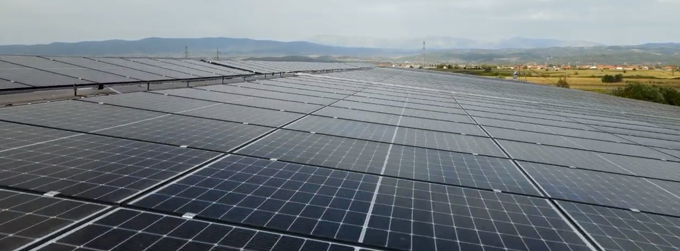
Renewable energy is a cornerstone of the Planet Passionate program and underpins TeraSteel’s commitment to sustainable construction. This means integrating green energy sources into our production processes and developing innovative solutions that reduce our carbon footprint and increase energy efficiency throughout the entire product lifecycle.
By installing solar panels at all our production facilities, we significantly reduce our reliance on fossil fuels and actively contribute to the transition toward a sustainable energy model.
At the same time, through our involvement in social responsibility projects and initiatives with a positive environmental impact, we support the protection of natural ecosystems.
Through continuous innovation and responsible practices, TeraSteel is committed to developing solutions that generate long-term value for the community and the environment.

Water
At TeraSteel, responsible water management is an essential part of our commitment to sustainable production and environmental protection. Water is a valuable and limited resource. That is why we have implemented systems for collecting, storing, and reusing rainwater at our plants, thereby reducing our consumption of drinking water from the public supply. We constantly monitor water consumption across all facilities to identify opportunities for optimization, prevent losses, and ensure operational efficiency. At the same time, we promote responsible water use among our teams and integrate sustainability principles into our daily activities. We are also actively involved in environmental protection initiatives, including efforts to restore waterways, thereby contributing to the conservation of natural resources for future generations.
Carbon
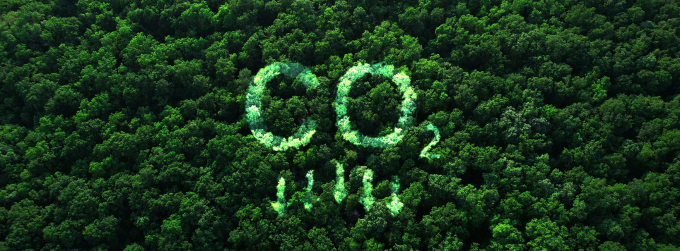
We are committed to reducing our carbon footprint by continuously improving the sustainability of our operations. We are constantly investing in greener technologies and more efficient processes to minimize our environmental impact. We are taking concrete steps toward electrification by introducing electric vehicles into our fleet and using electric forklifts in our production and logistics operations. These measures help reduce CO₂ emissions and noise levels and create a cleaner work environment. At the same time, we are optimizing energy consumption and streamlining internal processes to further reduce emissions. We actively support reforestation, greening, and educational initiatives, helping to raise generations that are more environmentally responsible. Through all these actions, we are building a more sustainable future while maintaining the highest standards of performance and quality.

Circularity
Our approach is based on the intelligent and responsible use of resources, supporting both environmental protection and the creation of sustainable value for our customers. In this context, the circular economy is a core principle that guides all our operational processes. We focus on reducing waste generation, implementing selective collection, and continuously optimizing resource consumption to extend the life cycle of the materials we use. By integrating these practices, we contribute to reducing our environmental impact and ensuring the efficient use of raw materials. At the same time, we aim to steadily increase the proportion of recycled materials in our products, improve the efficiency of our production processes, and support the responsible recovery of materials at the end of their life cycle. Through these actions, we actively contribute to the development of a built environment that is more sustainable and resource-efficient.
